

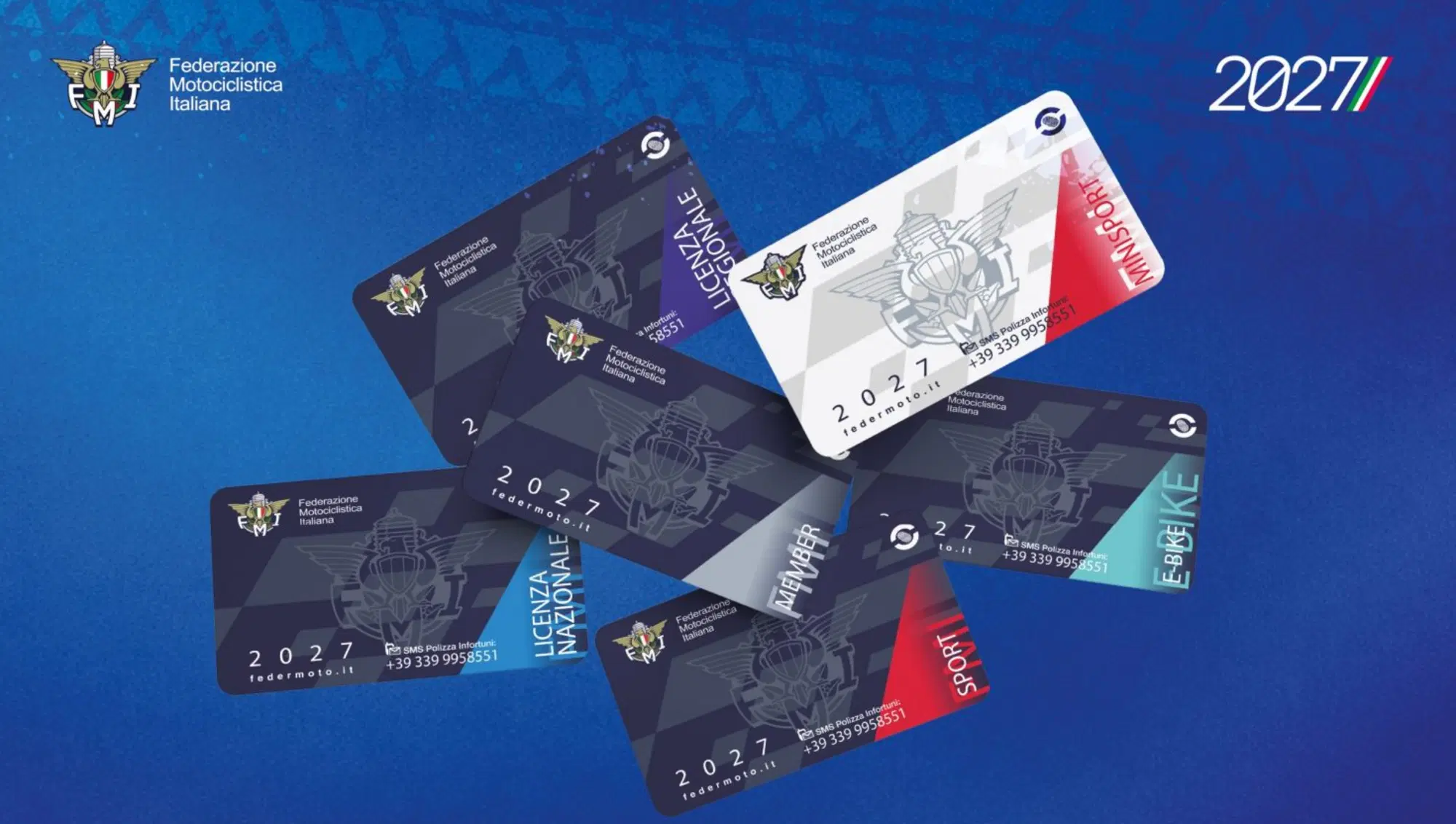
FMI membership and historic register: Is it really worth It? Tax perks, insurance, and traffic rules explained

From insurance discounts and tax cuts to urban traffic exemptions: a straightforward look at the real perks of FMI registration and how to certify your vintage bike without paperwork headaches
For many riders, seeing their motorcycle hit the 20-year mark is a major milestone: it's the exact moment a beloved machine can officially achieve historic status. But is going through the FMI membership and Historic Relevance Certificate (CRS) process genuinely worth the effort?
The financial upside is clear. The most immediate benefit comes from specialized historic insurance policies available to members, paired with significant road tax exemptions or reductions depending on regional regulations for bikes aged 20 to 29—and a complete exemption once they reach 30.
Beyond savings, urban mobility is becoming just as crucial. As low-emission zones tighten across major European cities, an official historic certificate often serves as the key pass for specific circulation exemptions.
Securing that certification, however, requires attention to detail: finding the right Moto Club, submitting precise photos of the motorcycle in strictly original condition, and verifying matching frame and engine numbers. While the paperwork might seem daunting at first glance, following the standard procedure step by step guarantees long-term protection, genuine operational savings, and added market value for your classic machine.

